Creating a beautiful yard in Flagstaff starts with choosing plants that actually thrive here. Between the high elevation (nearly 7,000 feet), intense sun, cool nights, strong winds, and rocky, sometimes alkaline soil, Flagstaff isn’t exactly a tropical paradise. But that doesn’t mean your landscape has to be bare.
With the right mix of trees, shrubs, flowers, and grasses suited to Northern Arizona, you can build a yard that’s hardy, attractive, and easy to maintain year-round. At Ponderosa Pathways, we regularly install and maintain landscapes built around these tried-and-true species. Here’s your detailed guide to what grows best and why it works in Flagstaff’s unique environment.
Trees For Flagstaff And Northern Arizona
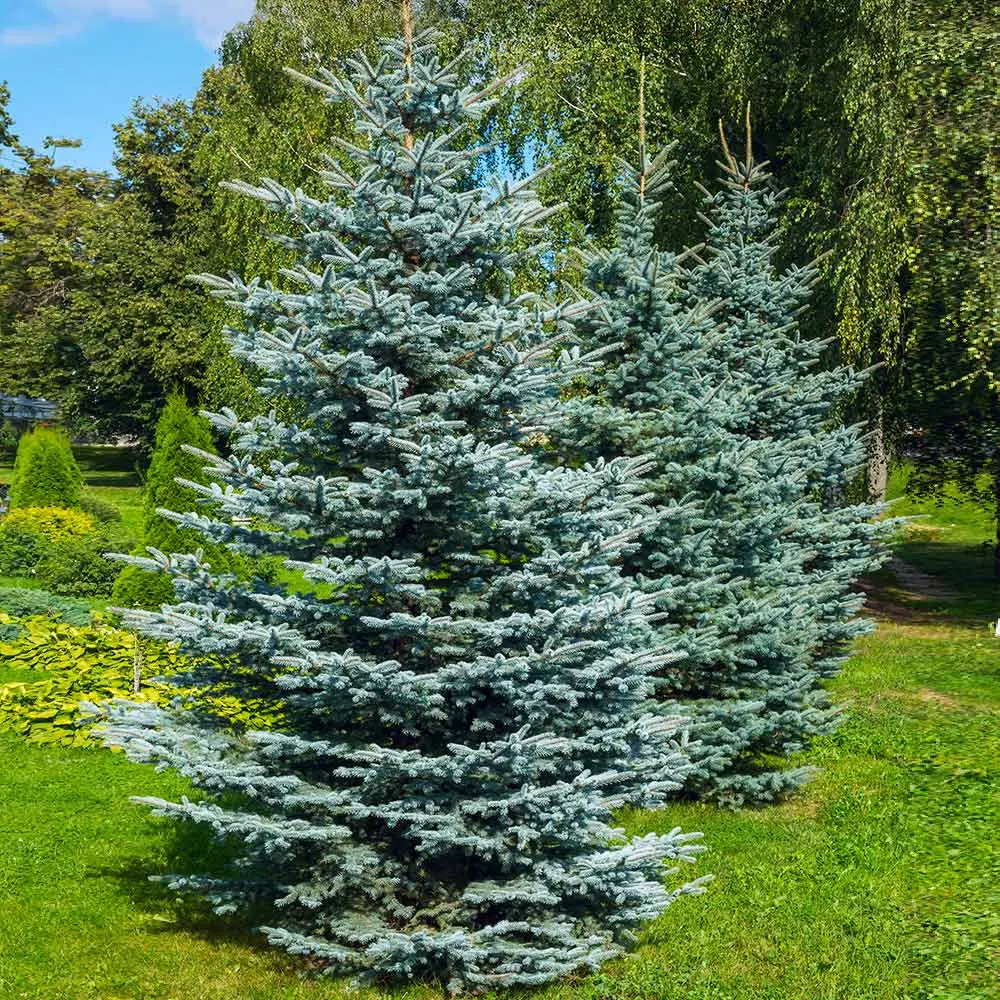
Colorado Spruce
This evergreen tree is known for its classic Christmas tree shape and its hardiness in high-elevation climates. It grows 6–10 inches per year and can reach heights of 30–60 feet at maturity. It thrives in full sun to partial shade and is an excellent choice for windbreaks or visual screening. Blue varieties offer standout color in winter months and pair well with rock or gravel mulch for contrast..
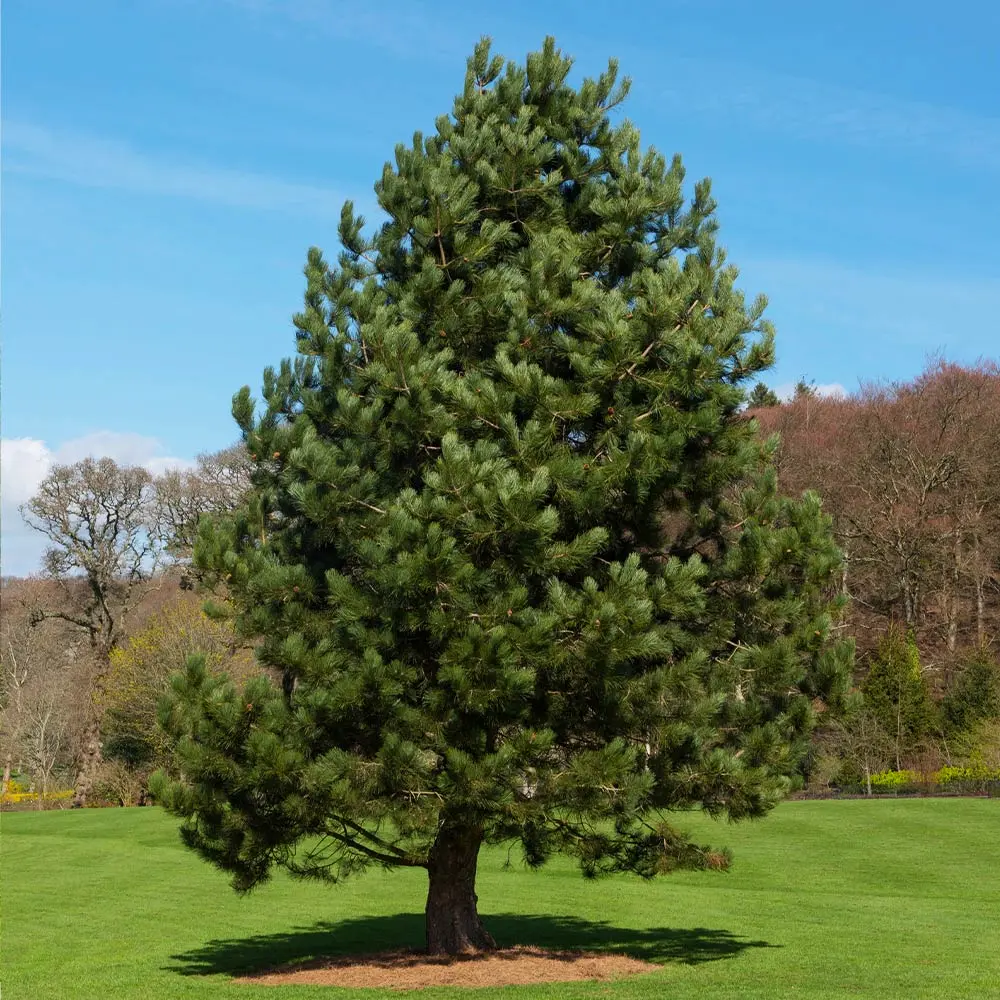
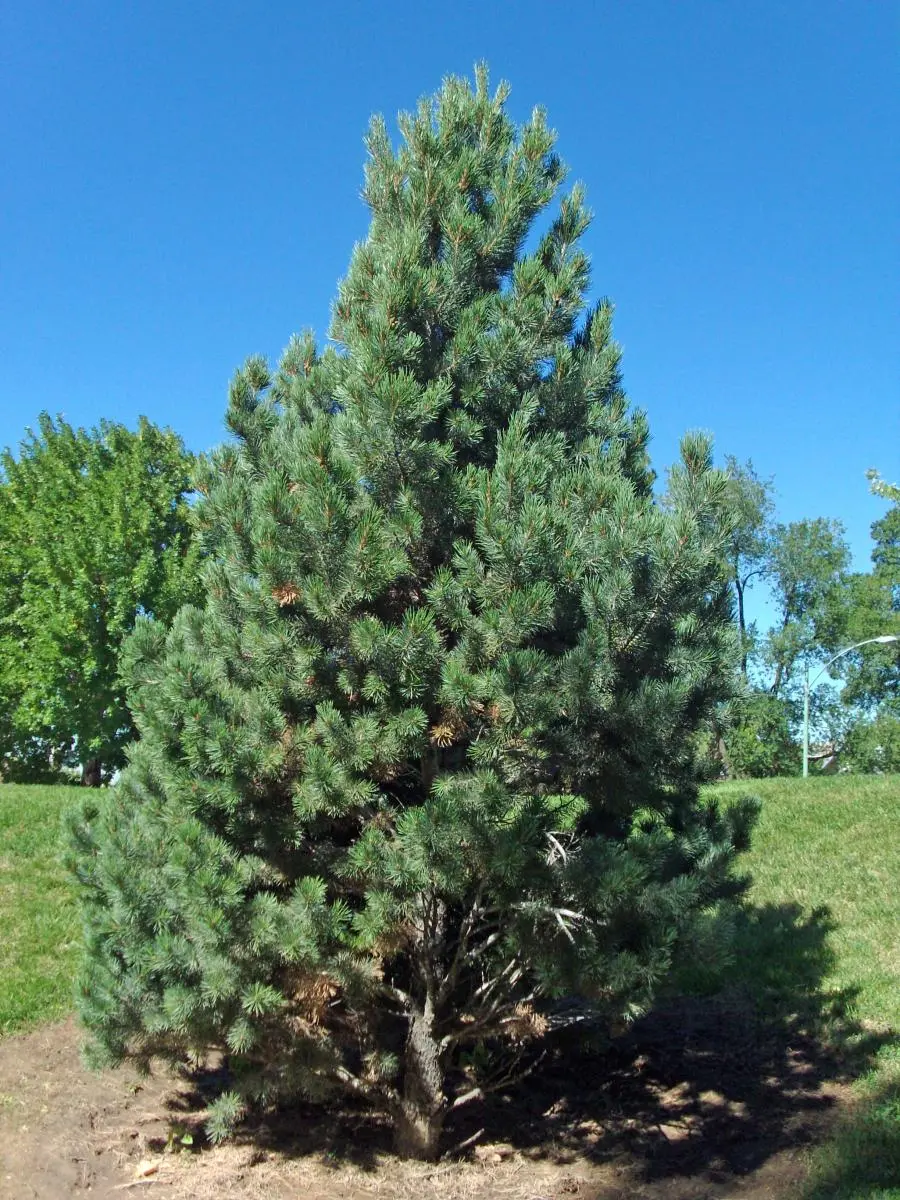
Austrian Pine
Austrian Pine is a dense, dark-needled evergreen that brings a formal, stately look to landscapes. It handles high winds and poor soils, making it a dependable option for open lots. Though it needs a bit more water than some native evergreens, its long lifespan and strong structure make it a top pick for Flagstaff homeowners seeking a durable, fast-growing tree.
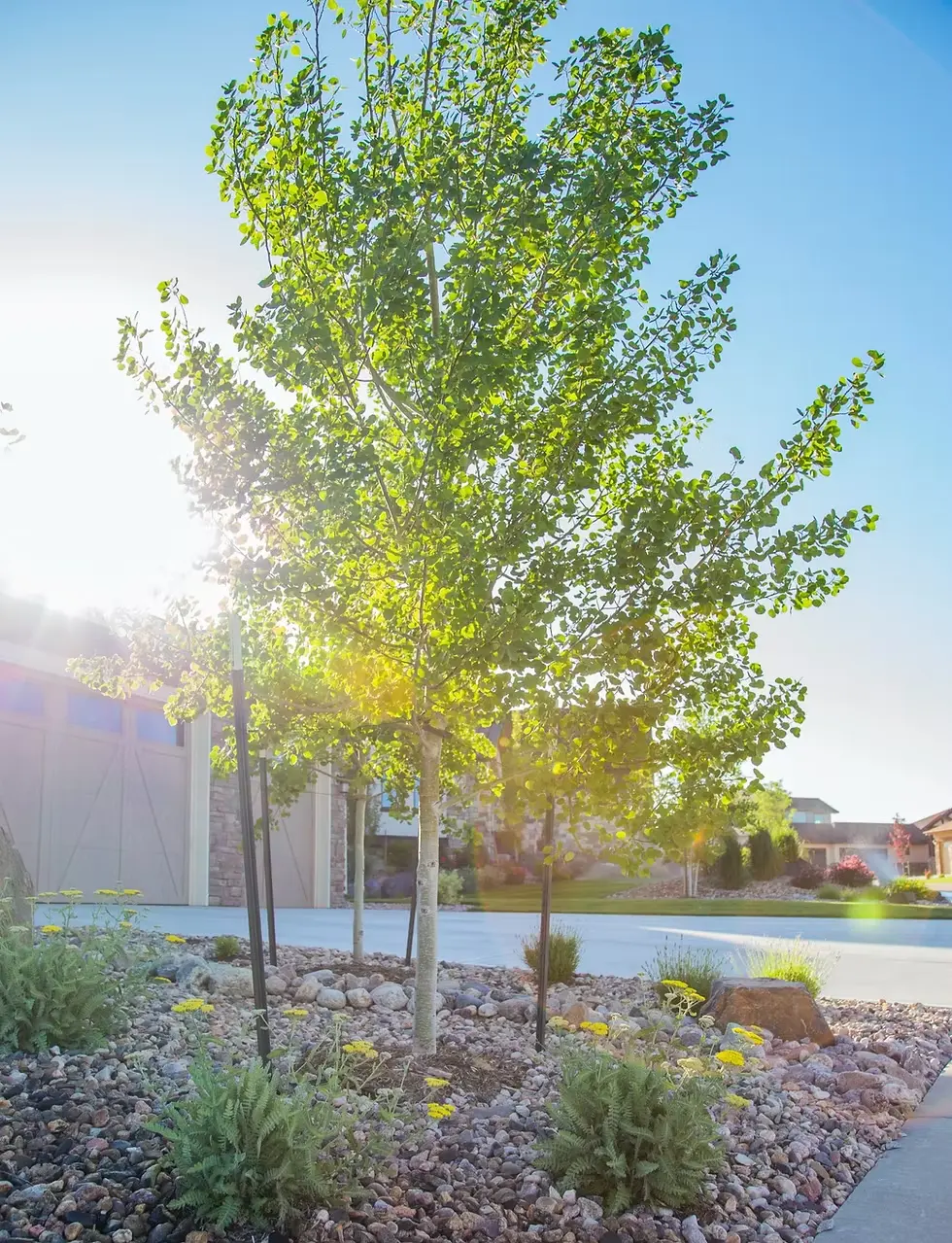
Quaking Aspen
Few trees are as iconic in the West as the Quaking Aspen. With its white bark and shimmering leaves, it adds a distinctly mountain feel to any property. Aspens do well in group plantings and can quickly naturalize an area. They grow best in moist, well-drained soils and are especially beautiful when planted along driveways or pathways.
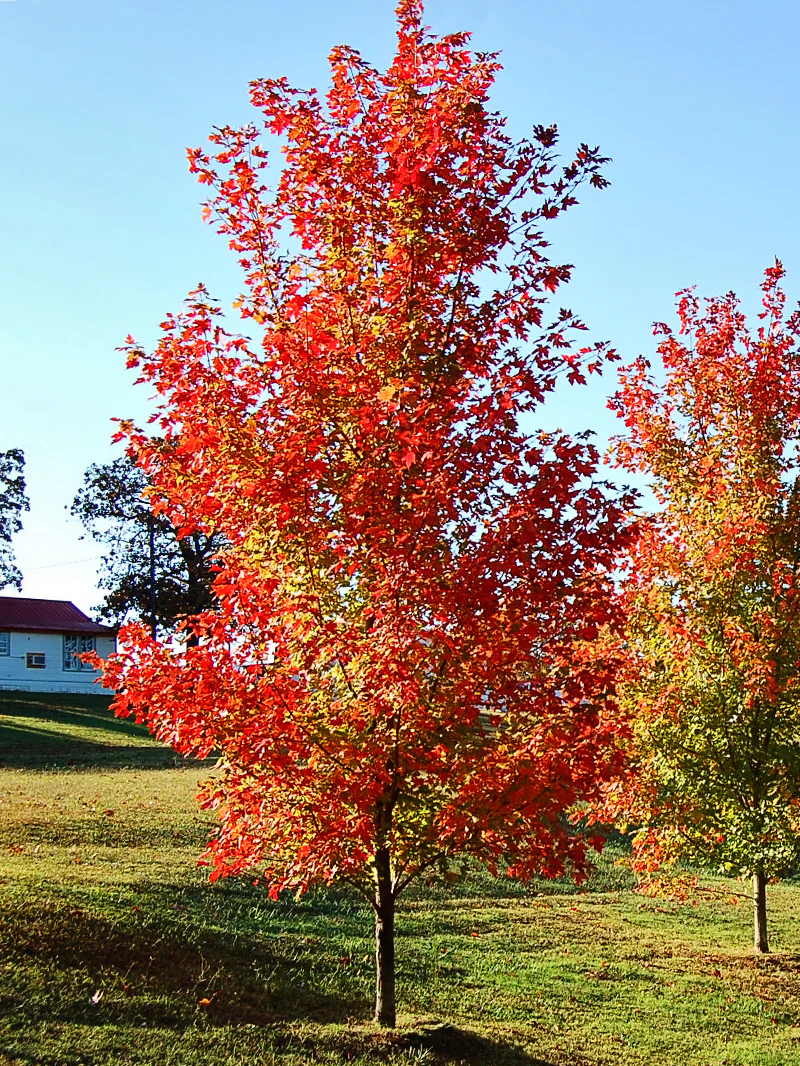
Autumn Blaze Maple
This hybrid maple brings brilliant fall color to the high country. Its red-orange leaves make a bold statement, and its fast growth (up to 3 feet per year) makes it ideal for homeowners who want shade quickly. It tolerates a wide range of soils, including Flagstaff’s clay-heavy base, and thrives in full sun.
Pinyon Pine
Native to the region, Pinyon Pine is slow-growing but incredibly hardy. It tolerates drought, wind, and poor soils while producing edible pine nuts. Pinyon pines grow up to 30 feet tall and are great for adding evergreen structure to naturalistic or xeric landscapes. Once established, they require very little maintenance.
Shrubs For Landscpaing In Northern Arizona
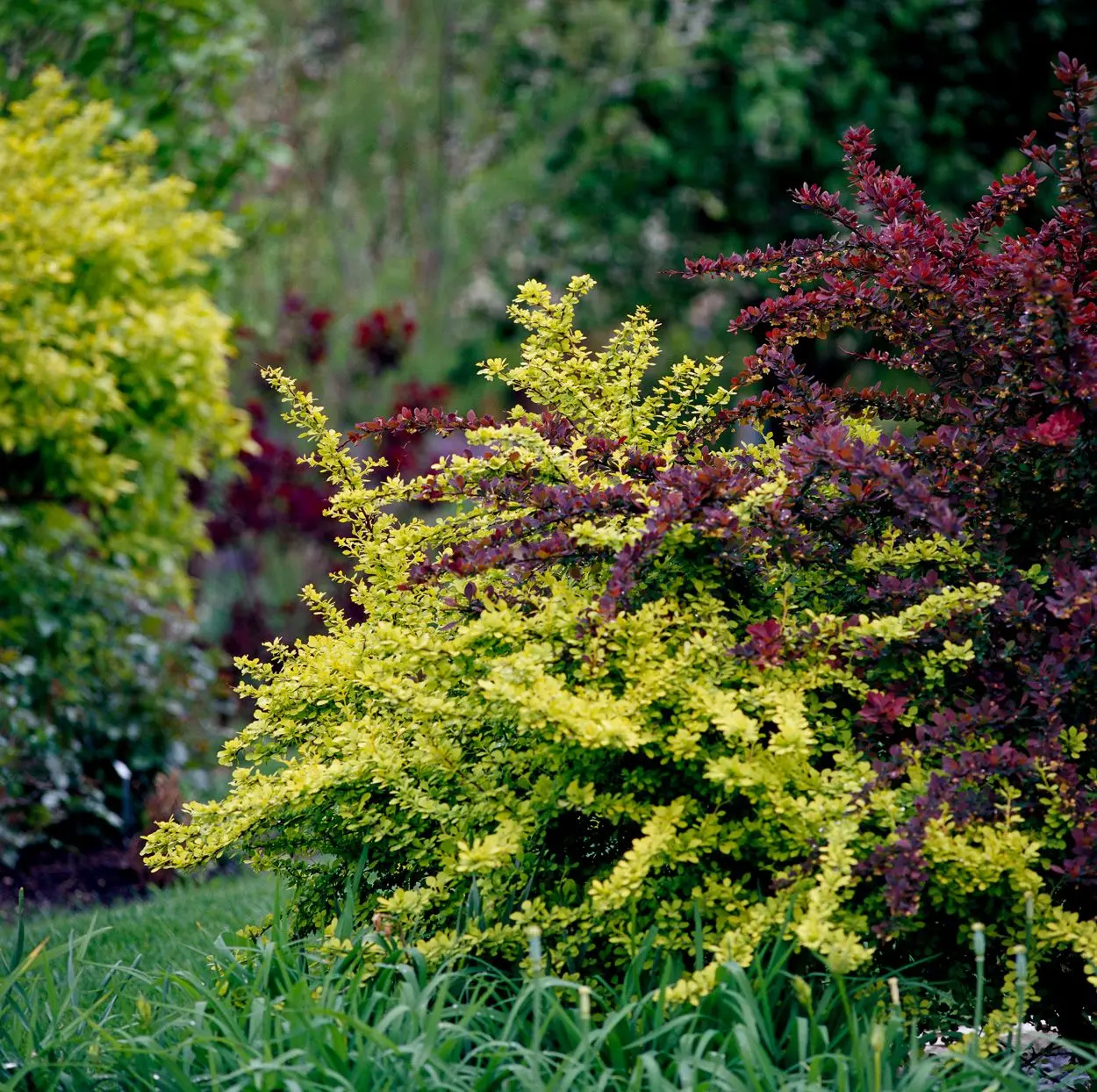
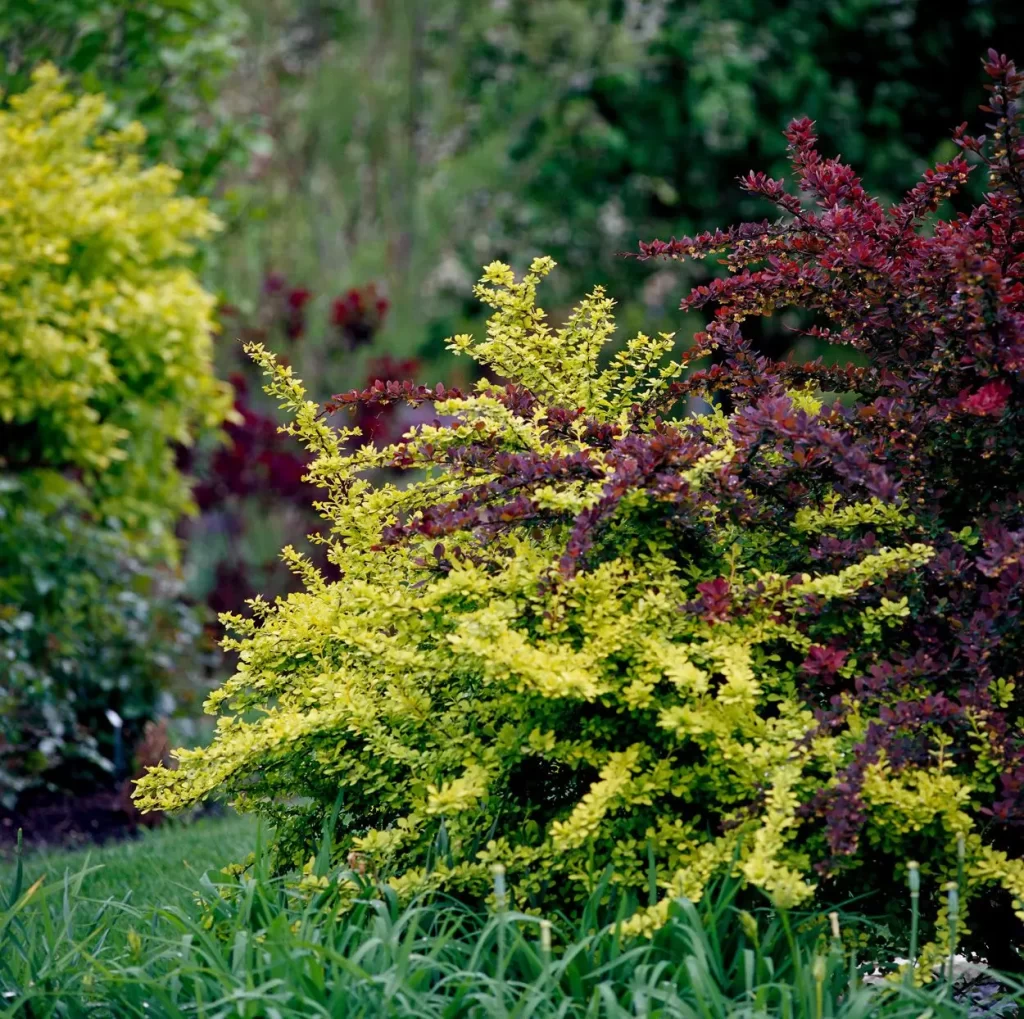
Barberry
Barberry shrubs are tough, colorful, and unbothered by deer or poor soil. Their thorny branches make them great natural barriers, and the vibrant foliage ranges from deep red to golden yellow, depending on the variety. Barberry can grow 3–6 feet tall and wide, making them suitable for borders, foundation planting, or colorful accents.
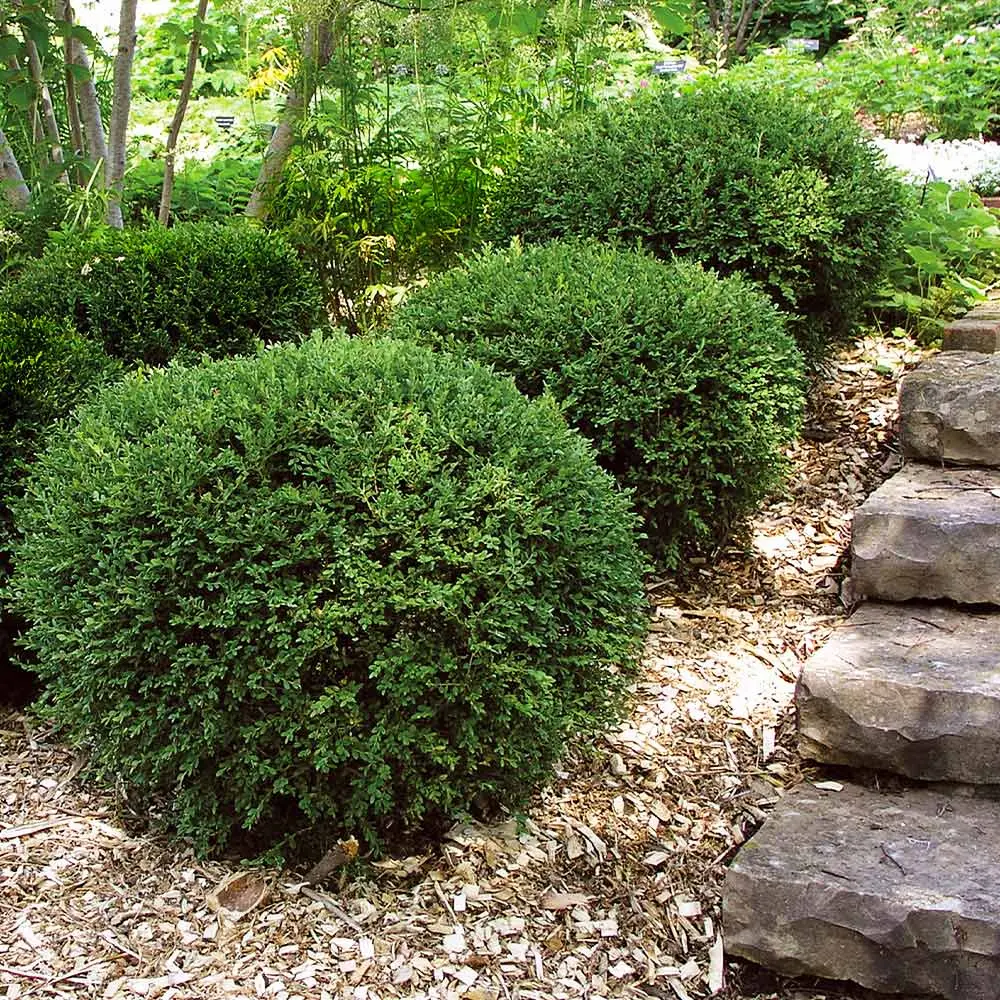
Boxwood
Boxwood prefers partial shade and rich, well-drained soil. It needs moderate watering, especially in its first few seasons. These evergreens grow 2–4 feet tall and are perfect for shaping into hedges or clean lines. They work best in protected areas that avoid harsh afternoon sun and intense wind
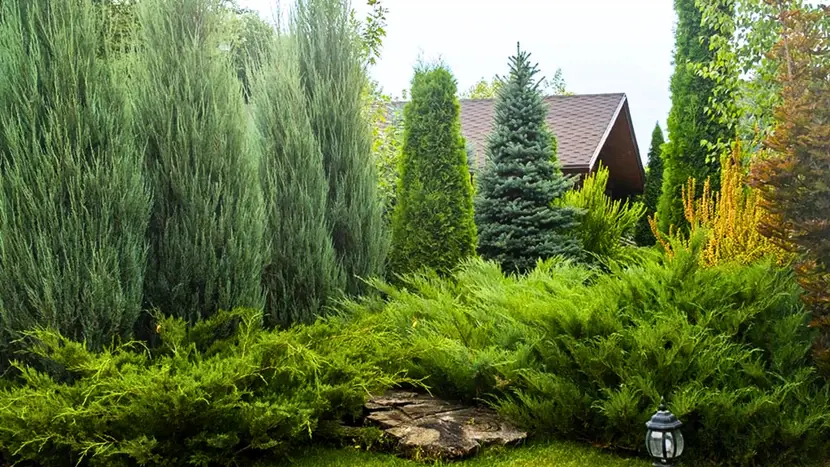
Juniper
Junipers love full sun and thrive in poor, rocky soil. They’re extremely drought-tolerant and require almost no maintenance once established. Upright varieties can be used for screens or vertical accents, while groundcover types are perfect for erosion control on hillsides. Water only when the soil is dry for extended periods.
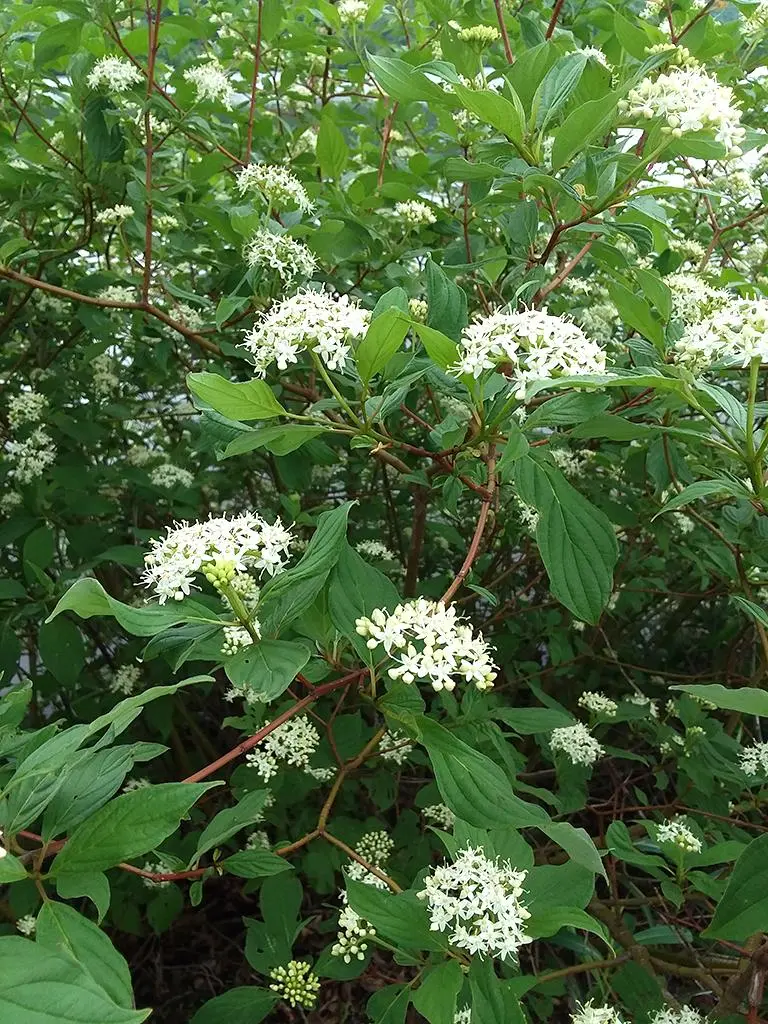
Red Twig Dogwood
Red Twig Dogwood prefers partial sun to full sun and consistently moist soils. It’s great for wet areas like swales, near downspouts, or low spots that collect runoff. Reaching 6–9 feet tall and wide, it adds stunning red branches in winter and works well in wildlife gardens, attracting birds and pollinators.
Flowers And Perenials
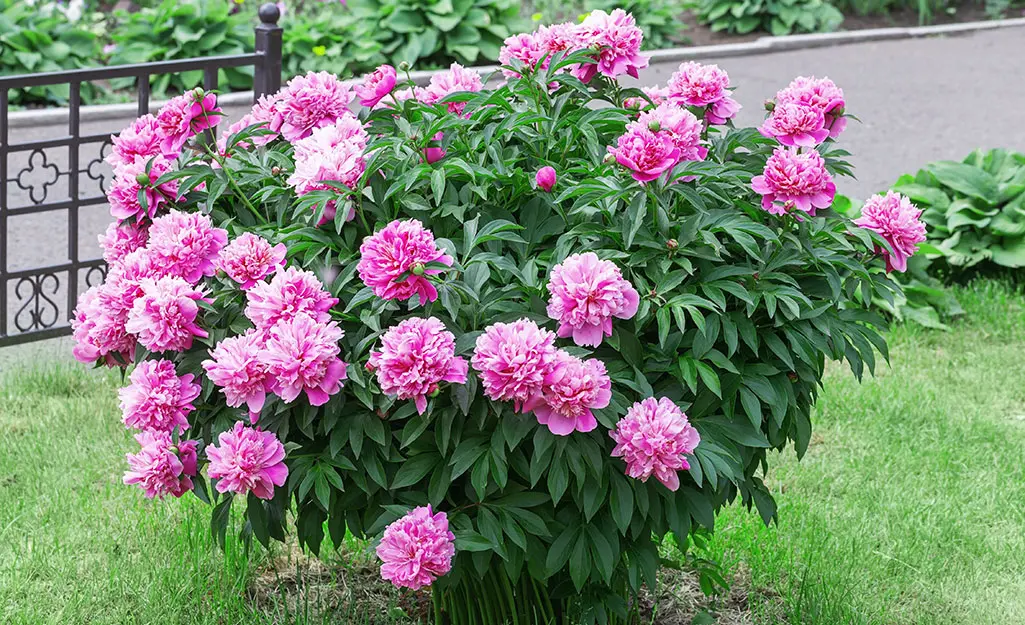
Peonies
Peonies are a classic garden flower known for their huge, fragrant blooms and longevity. These perennials can live for decades when properly cared for. They prefer full sun, good drainage, and cold winters, making Flagstaff an ideal location. Blooming in late spring, they add a burst of elegance to any bed.
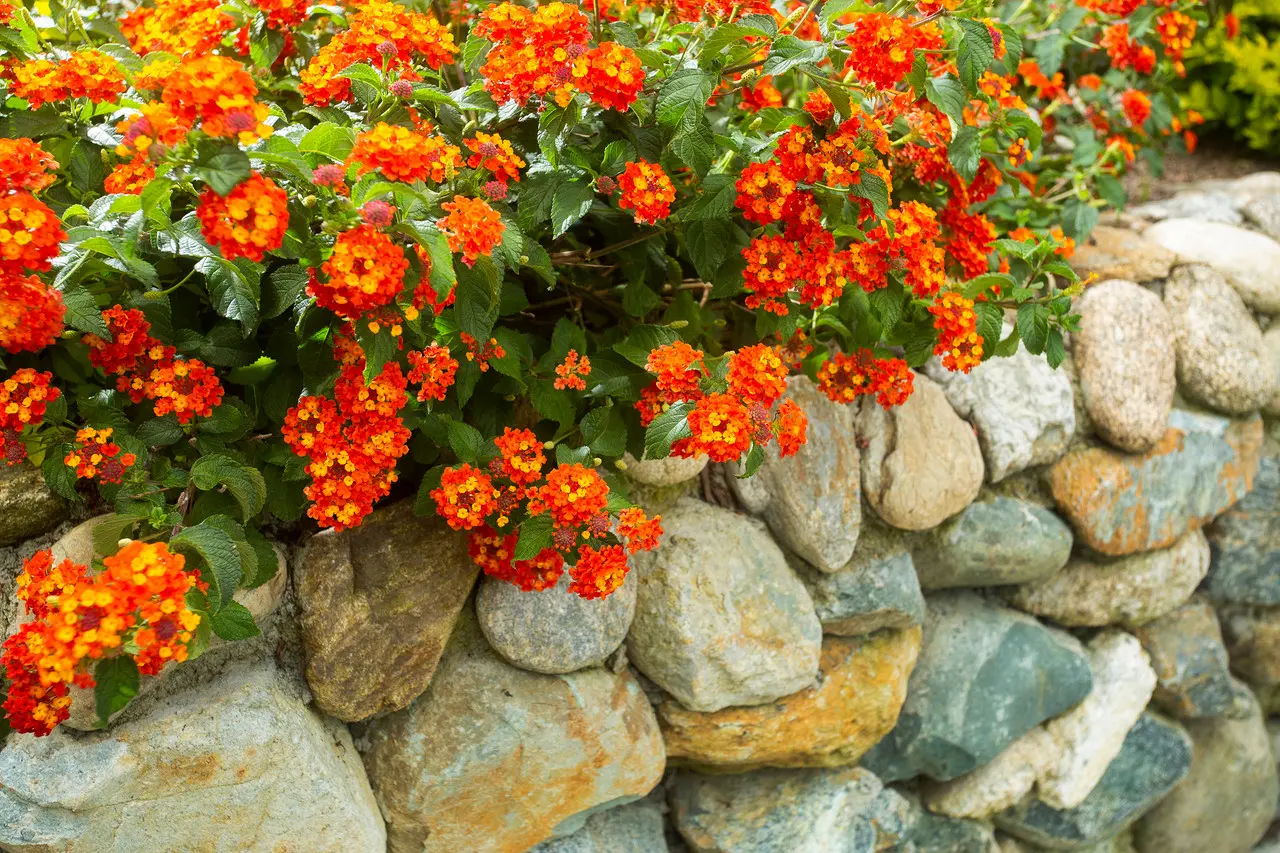
Lantana
Lantana thrives in heat and full sun, producing vivid clusters of flowers all summer long. In Flagstaff, it may die back in winter but often regrows in spring if protected. Its low, sprawling habit makes it great for containers, borders, and pollinator gardens.
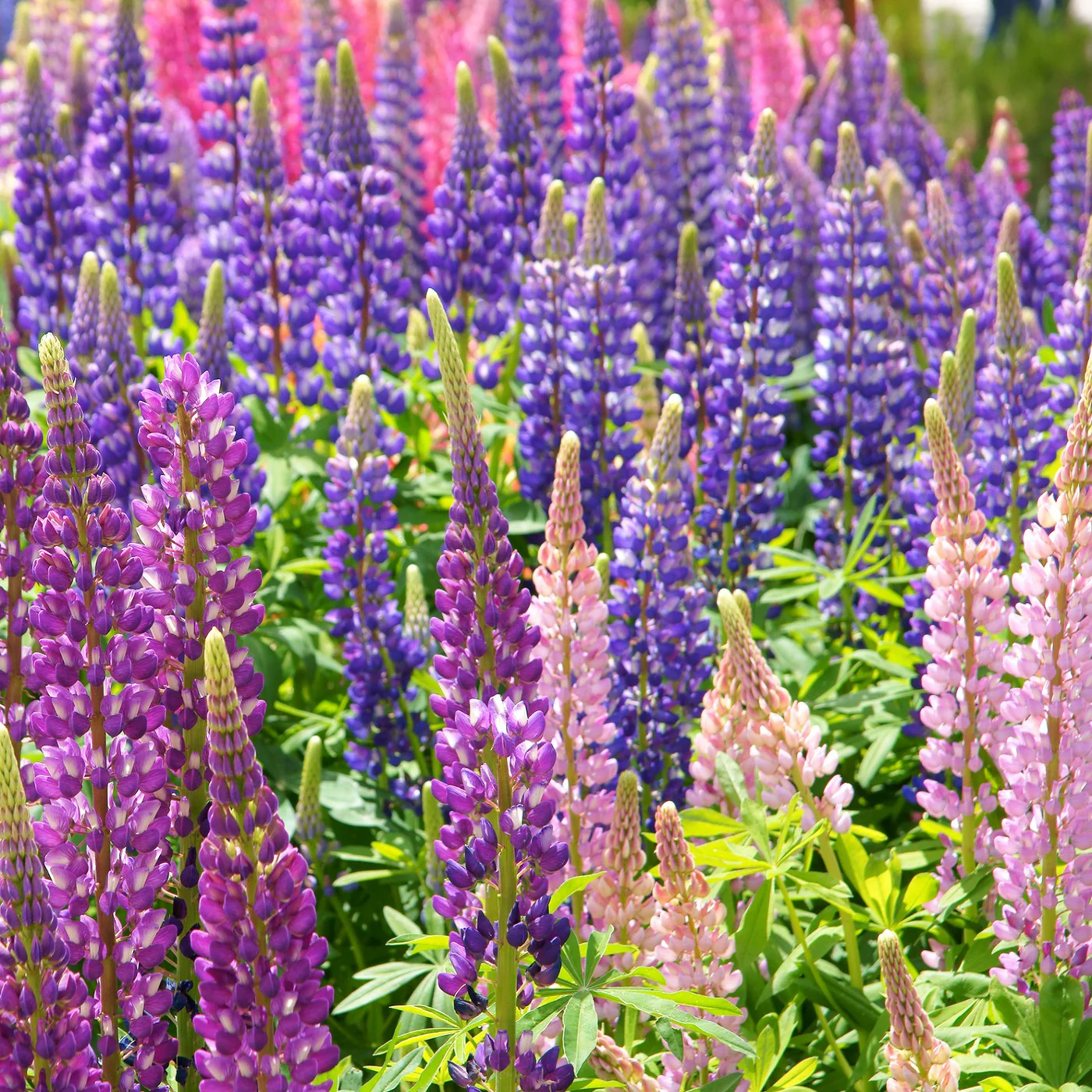
Lupine
Lupine produces tall, colorful spires of flowers in late spring and early summer. This native bloomer improves soil by fixing nitrogen and thrives in partial shade with moderate watering. A great companion for other native perennials.
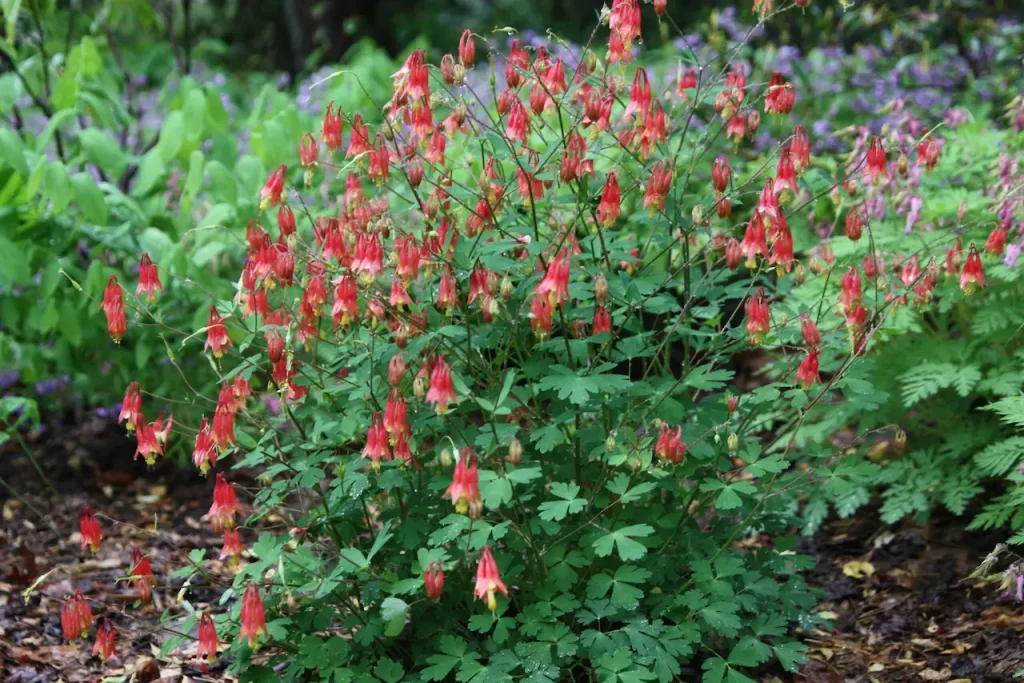
Columbine
With its unique spurred petals and attractive foliage, Columbine is a native favorite. It grows well in partial shade and well-drained soil and blooms in a variety of colors. It’s also highly attractive to hummingbirds and pollinators.
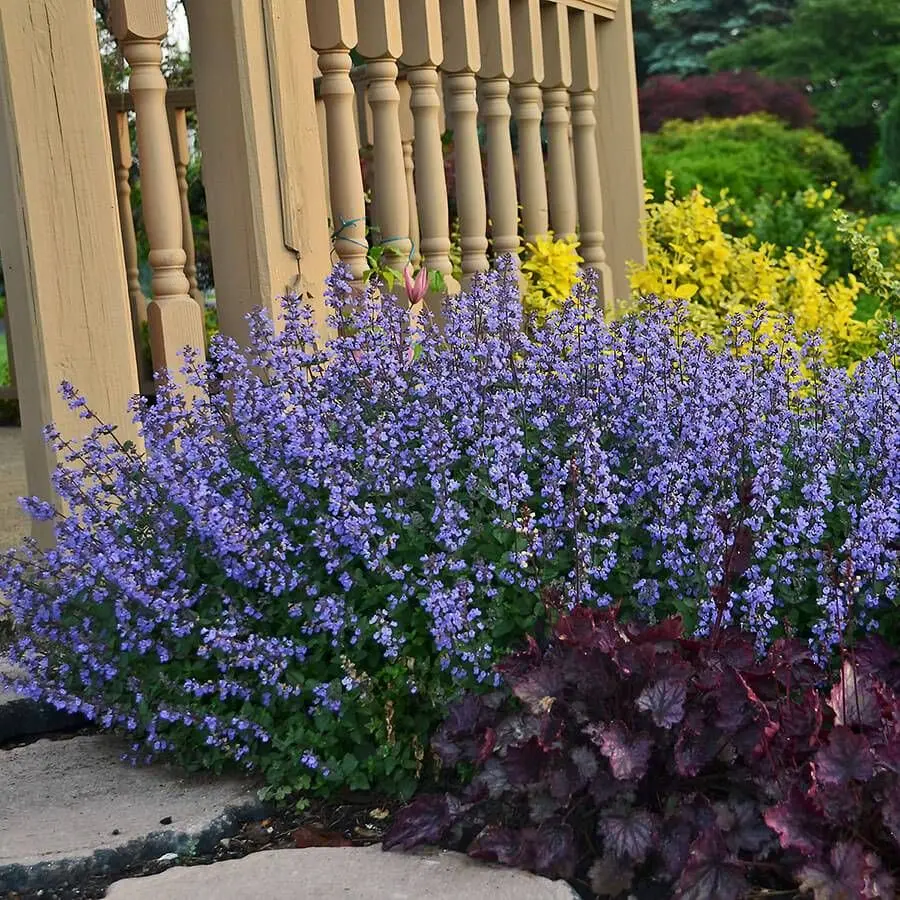
Catmint (Nepeta)
Nepeta is nearly bulletproof. It handles drought, poor soils, and intense sun while blooming from early summer through fall. With lavender-blue flowers and fragrant leaves, it adds softness and movement to gravel beds, borders, and xeriscapes.
Ornamental Grasses
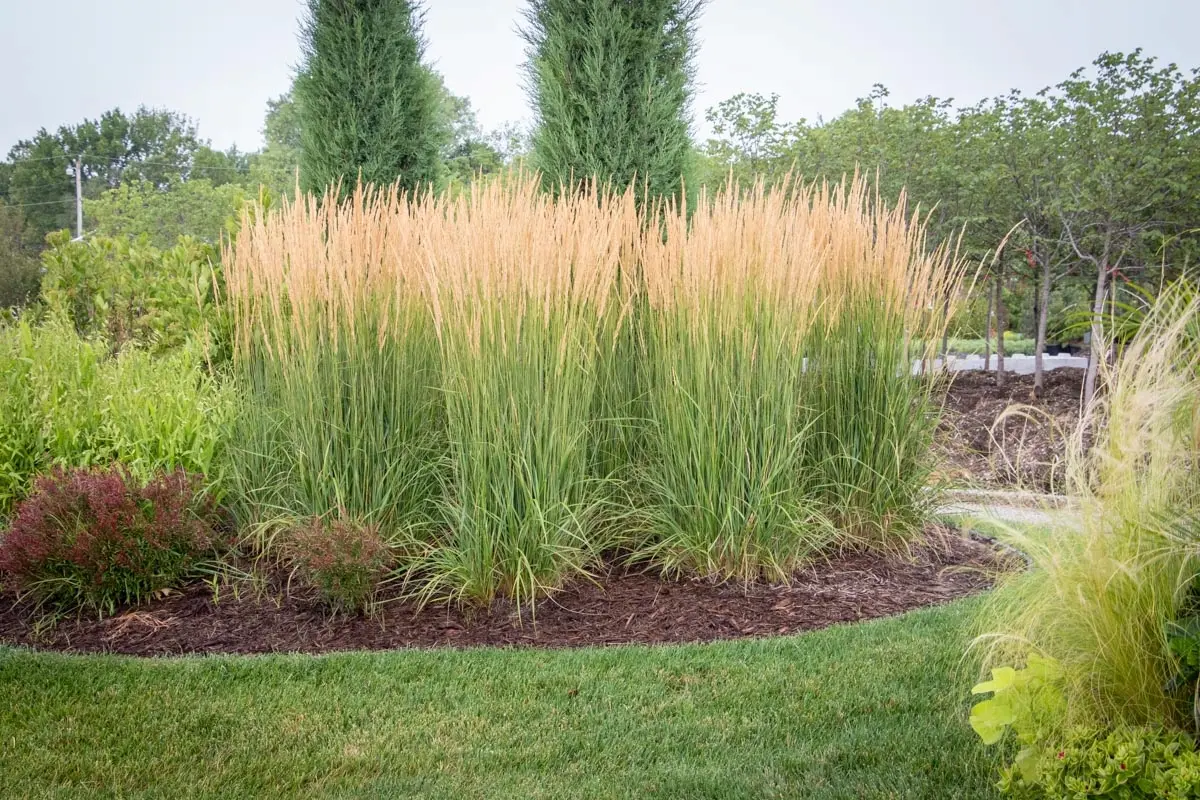
Karl Foerster Grass
This popular ornamental grass forms vertical clumps 4–5 feet tall and 2 feet wide. Feathery tan plumes emerge in early summer and persist through fall and winter. It thrives in sun or partial shade and adds elegant motion to any landscape.
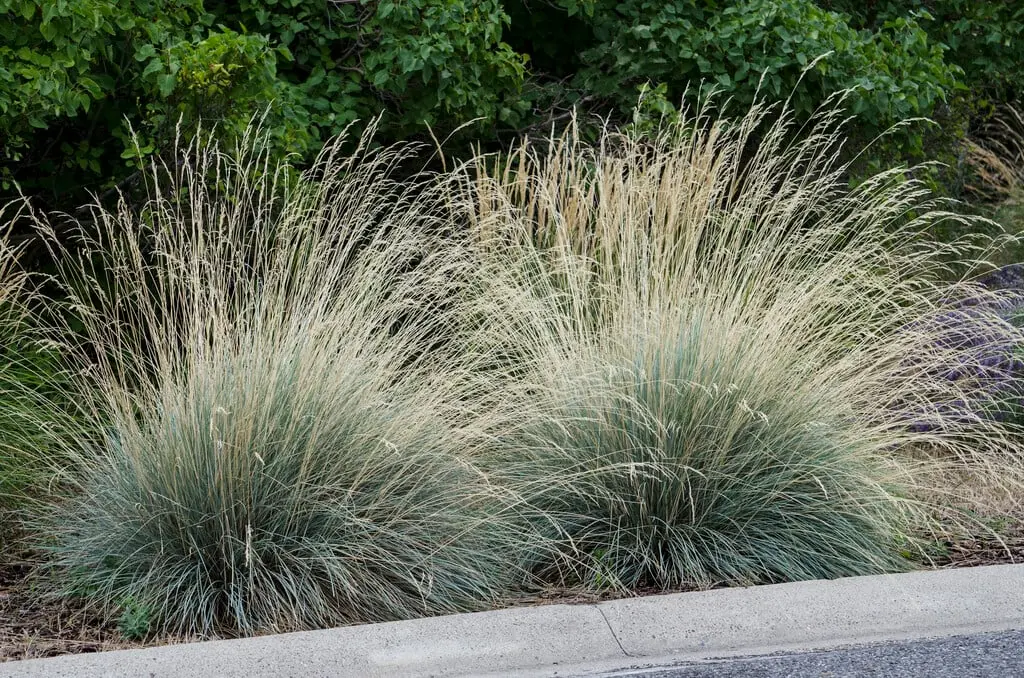
Blue Oat Grass
Known for its cool-toned, arching blades, Blue Oat Grass grows 2–3 feet tall and wide. It excels in dry conditions and rocky soils and offers year-round interest. Pair it with flowering perennials for contrast and texture.
Why Plant Selection Matters in Flagstaff
Choosing the right plants isn’t just about beauty—it affects your water use, maintenance time, and the lifespan of your investment. At 7,000 ft elevation with intense UV exposure and dramatic temperature shifts, using species not suited to this climate can lead to constant replacements, wasted resources, and frustration.
At Ponderosa Pathways, we build resilient landscapes using drought-tolerant, native, and climate-adapted species. These plants not only look good, they perform reliably year after year and require less water, fewer chemicals, and less effort from you. Whether you’re working with a small yard or a multi-acre property, making smart plant choices is key to success.