What Happens Before the Storm Matters Most
Most people think snow removal begins when the snow starts falling. In reality, the outcome of a storm is decided long before that first flake ever hits the ground.
Professional snow removal is not reactive. It’s planned. The difference between a smooth winter operation and a costly, frustrating mess almost always comes down to pre-storm snow preparation.
When preparation is done right, snow stays manageable, ice is minimized, and properties remain safe. When it’s skipped or rushed, snow bonds to pavement, response times slow down, and problems compound quickly.
Preparation Is What Prevents Ice From Taking Over
Snow itself isn’t usually the biggest issue. Ice is.
When surfaces aren’t prepared ahead of time, snow compacts under traffic, melts slightly, then refreezes. That freeze-thaw cycle creates bonded ice that’s difficult to remove without aggressive scraping or heavy chemical use—both of which increase damage and risk.
Proper pre-storm snow preparation focuses on stopping that cycle before it starts. That means understanding temperature trends, timing treatments correctly, and managing surfaces so snow never gets the chance to turn into a problem layer.
Good Snow Removal Is Planned, Not Rushed
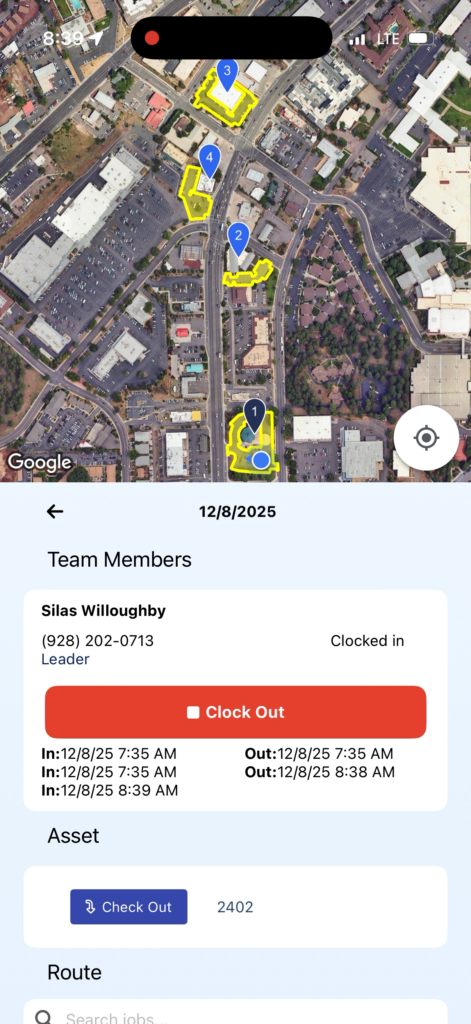
Before a storm, professional crews aren’t waiting around for flakes to fall. They’re mapping routes, prioritizing access points, and staging equipment so there’s no guesswork once conditions change.
Every property behaves differently during a storm. Traffic patterns, snow storage areas, shaded zones, and elevation changes all affect how snow and ice build up. Planning ahead allows crews to move with purpose instead of reacting under pressure.
When routes are planned in advance, response times stay consistent—even during heavy snowfall or overnight events.
Storms Expose Weak Equipment and Weak Planning
Snowstorms are not forgiving. If equipment isn’t inspected, fueled, and ready ahead of time, it will fail at the worst possible moment.
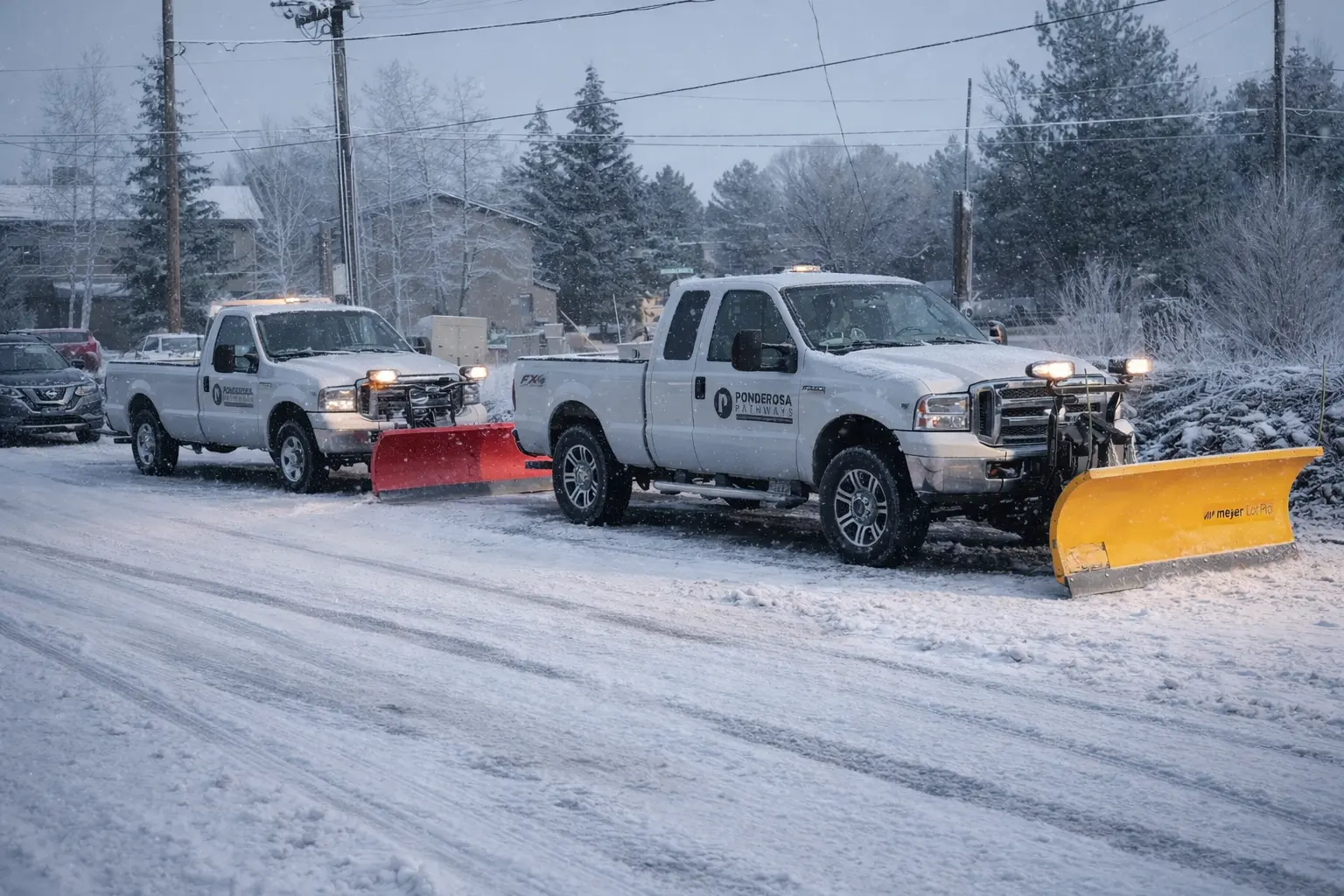
Professional snow removal planning includes checking plows, hydraulics, lighting, and backup systems before the storm arrives. Crews are assigned, schedules are confirmed, and contingencies are in place for long or fast-moving events.
The goal is simple: no surprises during the storm.
Weather Monitoring Is Just as Important as Plowing
Effective snow removal isn’t just about how much snow falls—it’s about when and how temperatures change.
A few degrees can determine whether snow stays loose or turns into ice. Knowing when a storm will start, intensify, or transition allows crews to act early instead of chasing problems after they’ve already formed.
This kind of monitoring is a key part of professional snow removal strategy, especially in places like Northern Arizona where conditions can change quickly.
Preparation Protects More Than Just Pavement
When snow removal is rushed or delayed, the costs go beyond inconvenience.
Ice buildup increases slip-and-fall risk. Aggressive scraping damages asphalt and concrete. Emergency callouts drive up service costs. Tenants and customers lose confidence in property management.
Pre-storm snow preparation reduces all of that. It keeps surfaces safer, preserves infrastructure, and creates predictable outcomes instead of emergency situations.
Why the Best Snow Removal Happens Before the Snow
Anyone can push snow once it piles up. That doesn’t mean it’s being handled well.
The most reliable snow removal operations are defined by what happens before the storm—planning, preparation, and systems that keep conditions under control from the start.
If you want fewer problems this winter, don’t ask how fast someone plows. Ask how they prepare.